Whether you are a seasoned camper or someone preparing their very first outside experience, a water resistant ground sheet is among those items of gear that seldom gets the spotlight it is worthy of. It sits silently underneath your outdoor tents, doing several of one of the most crucial operate in your entire configuration. Recognizing what it is, just how it functions, and why it matters can make a genuine distinction to your comfort and your tools's durability.
What Is a Water-proof Ground Sheet?
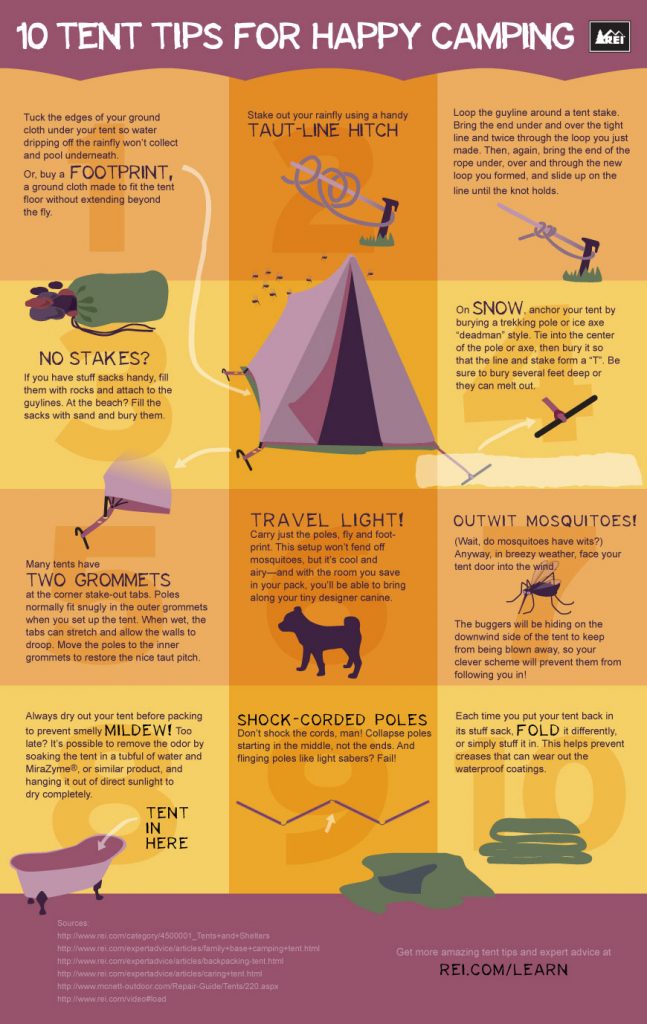
A ground sheet, often called a footprint or groundcloth, is a safety layer placed in between the flooring of your camping tent and the ground under it. As the name suggests, a water-proof ground sheet is made from materials that proactively withstand or entirely block dampness from passing through.
The ground, also when it appears dry, holds a surprising quantity of wetness. After rainfall, dew, or perhaps just overnight condensation, the dirt beneath your camping tent can transfer wetness upwards with the outdoor tents floor. A top quality ground sheet acts as an obstacle, keeping that wetness from seeping into your resting space.
Materials Made Use Of in Waterproof Ground Sheets
Not all ground sheets are created equal, and a lot of the difference comes down to the product used in their building.
Polyethylene (PE)
Polyethylene is just one of the most typical products for budget-friendly ground sheets. It is light-weight, cost-effective, and normally water resistant. Nonetheless, it can be noisy underfoot and has a tendency to be much less durable gradually, specifically if dragged across rocky or harsh surface.
Nylon and Polyester
These artificial fabrics are prominent in mid-range and exceptional ground sheets. They are typically coated with a polyurethane (PU) or silicone surface to boost waterproofing. Nylon is known for its strength-to-weight proportion, while polyester supplies better resistance to UV deterioration. Both products are much more packable and quieter than PE.
Tyvek
Tyvek has actually come to be a favourite amongst ultralight backpackers. It is a spun-bonded olefin product that is breathable yet highly water resistant, difficult, and remarkably light. Tyvek does not pack down as little as layered textiles, but it punches well above its weight in sturdiness and efficiency.
Just How Waterproofing Is Calculated
When looking for a ground sheet, you may discover a ranking called the Hydrostatic Head (HH). This number, shared in millimetres, tells you how much water pressure the textile can withstand before moisture begins to push through.
A score of 1,000 mm is thought about the minimum for fundamental waterproofing. For ground sheets, which rest straight on damp or wet dirt under the weight of your body and equipment, a rating of 3,000 mm or greater is usually recommended. Some durable choices go well beyond 5,000 mm, providing reputable security also on boggy or water logged ground.
Why a Ground Sheet Issues Beyond Waterproofing
While keeping wetness out is the main feature, a ground sheet uses numerous various other sensible advantages that deserve taking into consideration.
Shielding Your Outdoor Tents Flooring
Outdoor tents floorings, even those made from resilient materials, are susceptible to punctures and abrasion from stones, origins, and sharp particles. A ground sheet absorbs this damage, prolonging the life of your camping tent considerably. Replacing a ground sheet is far less expensive than changing or repairing a yurk tent camping tent floor.
Insulation from Cold Ground
Cold ground can draw heat far from your body via the outdoor tents floor and your sleeping mat. A ground sheet includes a slim however significant layer of insulation between you and the earth, aiding you remain warmer on cool nights.
Easier Tent Cleaning
After a journey, your ground sheet takes the force of the mud and gunk. Because it can be separated from your outdoor tents, it is a lot easier to clean up and dry independently, maintaining your camping tent in much better overall problem.
Selecting the Right Size and Fit
A common blunder is utilizing a ground sheet that prolongs beyond the impact of your camping tent. Any exposed side will funnel rain directly underneath the sheet, which beats the function entirely. Your ground sheet need to be a little smaller than the tent flooring, or precisely matched to it. Many outdoor tents producers sell personalized impacts developed for their details designs, which take the guesswork out of sizing.
Tips for Obtaining the Most Out of Your Ground Sheet
Fold up the sides of your ground sheet slightly internal when setting up camp to stop channelling. Shop it separately from your outdoor tents so any type of continuing to be wetness does not transfer. Check it frequently for little holes or peeling finishings, and spot minor damages before your following trip instead of after.
A waterproof ground sheet is a simple financial investment that pays dividends in comfort, warmth, and equipment treatment. Once you camp with one, pitching a camping tent without it will feel like leaving a piece of the challenge behind.